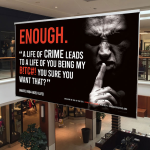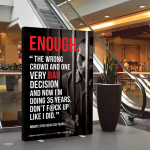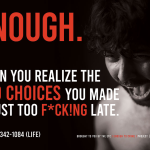

Shock advertising has been shown in behavioral research to be highly effective in disrupting automatic thought patterns. Criminal behavior often stems from impulse, opportunity, or a sense of invincibility — but shock tactics interrupt that flow. Studies in psychology demonstrate that intense, emotionally charged visuals create a “cognitive jolt” that forces the brain to pause and reassess. That pause is critical: it replaces automatic action with conscious thought, giving offenders a moment to consider the weight of their choices.
Hard-hitting visuals and blunt, unfiltered messages work because they bypass polite persuasion and go straight to the emotional core. Research on fear appeals and deterrence theory shows that when people are confronted with raw depictions of consequences, they are far more likely to avoid the behavior altogether. This isn’t about subtlety — it’s about making the reality of crime impossible to ignore. By hitting every type of offender with messages that shock, disturb, or provoke, we capture attention in a way traditional warnings never could.
The ultimate goal is prevention, and prevention thrives on awareness. If a mural, poster, or campaign makes a would-be offender stop and weigh the cost of their actions — whether that’s public shame, social rejection, or the harsh reality of prison — then shock advertising has done its job. Backed by evidence in communication research and deterrence psychology, this approach is not just bold — it’s strategic.
We use shock to create impact, and impact to create change.